
Introduction
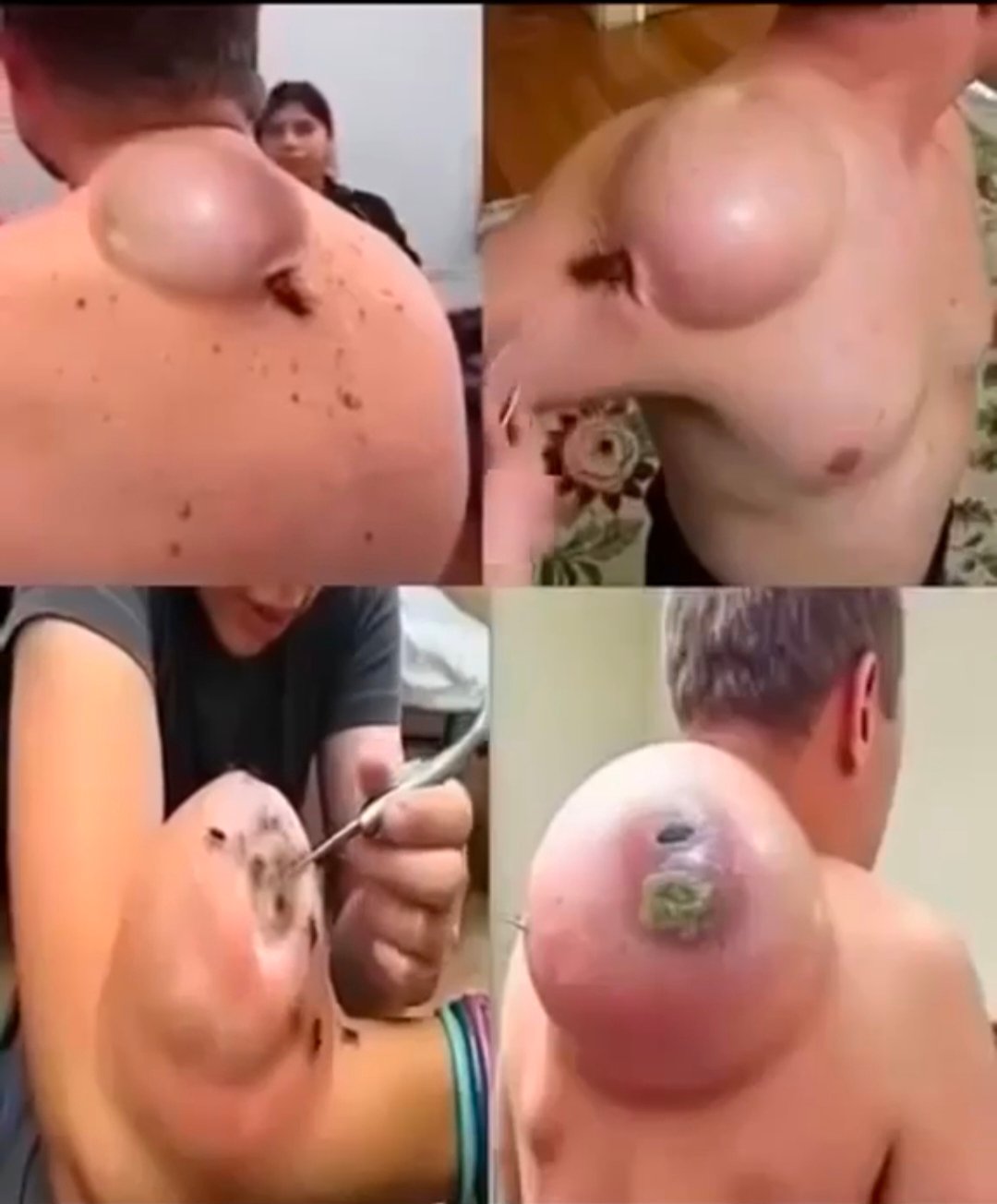
The human body can develop different types of lumps and swellings for many reasons. Some are harmless, while others may indicate an infection or another medical condition that requires professional attention. A video showing a person with a large, rounded swelling on the shoulder highlights the importance of understanding unusual changes in the body and seeking appropriate medical care.
The swelling shown in the video appears prominent and has noticeable changes on the skin’s surface. Although the images are striking, it is impossible to determine the exact cause from the video alone. A proper medical examination is necessary to identify the underlying condition and decide on the safest treatment.
1. Understanding the Large Shoulder Swelling
A lump that develops around the shoulder can have several possible causes. These include cysts, abscesses, benign growths, inflammation, and other soft-tissue conditions.
A cyst is a closed pocket of tissue that may contain fluid or other material. Some cysts grow slowly and cause little discomfort, while others become inflamed or infected.
An abscess, on the other hand, is a collection of pus that usually develops because of an infection. It may cause swelling, redness, tenderness, warmth, and pain. Some abscesses become large if the infection is not treated.
Other types of lumps may develop beneath the skin and gradually increase in size. Their appearance alone cannot reliably establish whether they are harmless or serious.
For this reason, a large shoulder lump should be assessed by a qualified healthcare professional, especially if it is growing, painful, red, or changing in appearance.
2. Why Do Such Lumps Develop?
Several factors can contribute to the development of a lump on the shoulder or back.
Skin infections: Bacteria can enter the skin through small cuts, damaged hair follicles, or other openings. An infection may lead to inflammation and the formation of an abscess.
Blocked skin glands: Certain cysts develop when skin structures become blocked, allowing material to accumulate beneath the surface.
Inflammation: The body’s response to irritation, injury, or infection can produce localized swelling.
Benign growths: Some noncancerous growths develop in the fatty tissue or other soft tissues beneath the skin. Their size and growth patterns vary.
Other medical conditions: Some lumps have causes that require specialized investigation. A healthcare professional may recommend imaging or other tests when the diagnosis is uncertain.
It is important to remember that these are possible explanations, not confirmed diagnoses of the swelling shown in the video.
3. Why Medical Examination Is Important
A large swelling should not be judged solely by its appearance. Two lumps that look similar may have very different causes and require different treatments.
During an examination, a healthcare professional may ask when the lump first appeared, whether it has grown, and whether the person experiences pain, fever, or other symptoms.
The doctor may also examine the surrounding skin and assess the size, location, firmness, and tenderness of the swelling.
Depending on the findings, additional investigations may be necessary. These can include an ultrasound examination, other imaging tests, or laboratory testing.
If the lump has unusual features or its cause remains unclear, a specialist may recommend further investigation.
Early assessment can help identify the problem and reduce the risk of complications.
4. Why Attempting to Open a Lump at Home Is Dangerous
The video includes close-up views of the affected area and what appears to be an attempt to manipulate or open the swelling. Such procedures should not be copied at home.
Squeezing, cutting, puncturing, or attempting to drain a lump without appropriate medical care can cause bleeding, worsen an infection, damage nearby tissue, and delay the correct diagnosis.
Even when a lump contains fluid or pus, its location and underlying cause matter. Not every swelling can be safely drained, and some require a different form of treatment.
If drainage is necessary, a trained healthcare professional can determine the appropriate procedure and take steps to reduce the risk of infection and other complications.
Until the lump has been assessed, it is safest to avoid squeezing or puncturing it and to keep the surrounding skin clean.
5. Possible Medical Treatments
Treatment depends on the cause of the swelling.
For certain infections, a doctor may prescribe antibiotics when appropriate. Some abscesses require professional drainage, while other conditions may need a different approach.
A cyst may only need monitoring if it is harmless and causes no problems. However, removal or other treatment may be considered if it becomes painful, repeatedly inflamed, infected, or otherwise concerning.
Benign soft-tissue growths may be monitored or removed depending on their characteristics and the person’s symptoms. If a lump has suspicious features, further tests may be needed before a treatment plan is chosen.
There is no single treatment suitable for every shoulder lump. Correct diagnosis is the first step toward safe and effective care.
6. Warning Signs That Should Not Be Ignored
People should seek medical advice if they notice an unusual lump that persists, grows, or changes over time.
Certain symptoms require more urgent attention, including rapidly increasing swelling, significant pain, spreading redness, warmth, fever, or fluid draining from the affected area.
A lump that feels deep, is unusually firm, or continues to grow also deserves medical evaluation.
Seek urgent medical care if the person develops fever with rapidly worsening swelling, feels seriously unwell, or experiences other signs of a spreading infection.
A healthcare professional can determine how urgently the condition needs to be treated.
7. The Importance of Responsible Medical Awareness
Videos showing unusual medical conditions can attract attention because they reveal things that viewers may rarely encounter in everyday life. However, dramatic images do not tell the whole medical story.
Viewers should avoid assuming that a particular diagnosis has been established or that a procedure shown online is appropriate for everyone.
Responsible health education focuses on understanding possible causes, recognizing warning signs, and encouraging people to seek qualified medical advice.
It is also important to respect the privacy and dignity of anyone featured in medical footage. Health conditions should be discussed in an informative and compassionate way rather than used to embarrass or stigmatize the person.
Conclusion
The large shoulder swelling shown in the video demonstrates why unusual lumps and changes in the skin should be taken seriously. Possible causes include cysts, abscesses, inflammation, and other soft-tissue conditions, but the exact diagnosis cannot be established from the images alone.
The safest response is to obtain a professional medical examination, avoid attempting to open or drain the swelling at home, and follow the treatment recommended by a qualified healthcare professional.
Understanding the warning signs of infection and seeking timely medical attention can help protect health and prevent avoidable complications. When it comes to an unusual or rapidly growing lump, professional evaluation is always safer than guessing based on appearance alone.